The Future of Turkey: Navigating the Impact of Global Warming
Category : | Sub Category : Posted on 2025-11-03 22:25:23
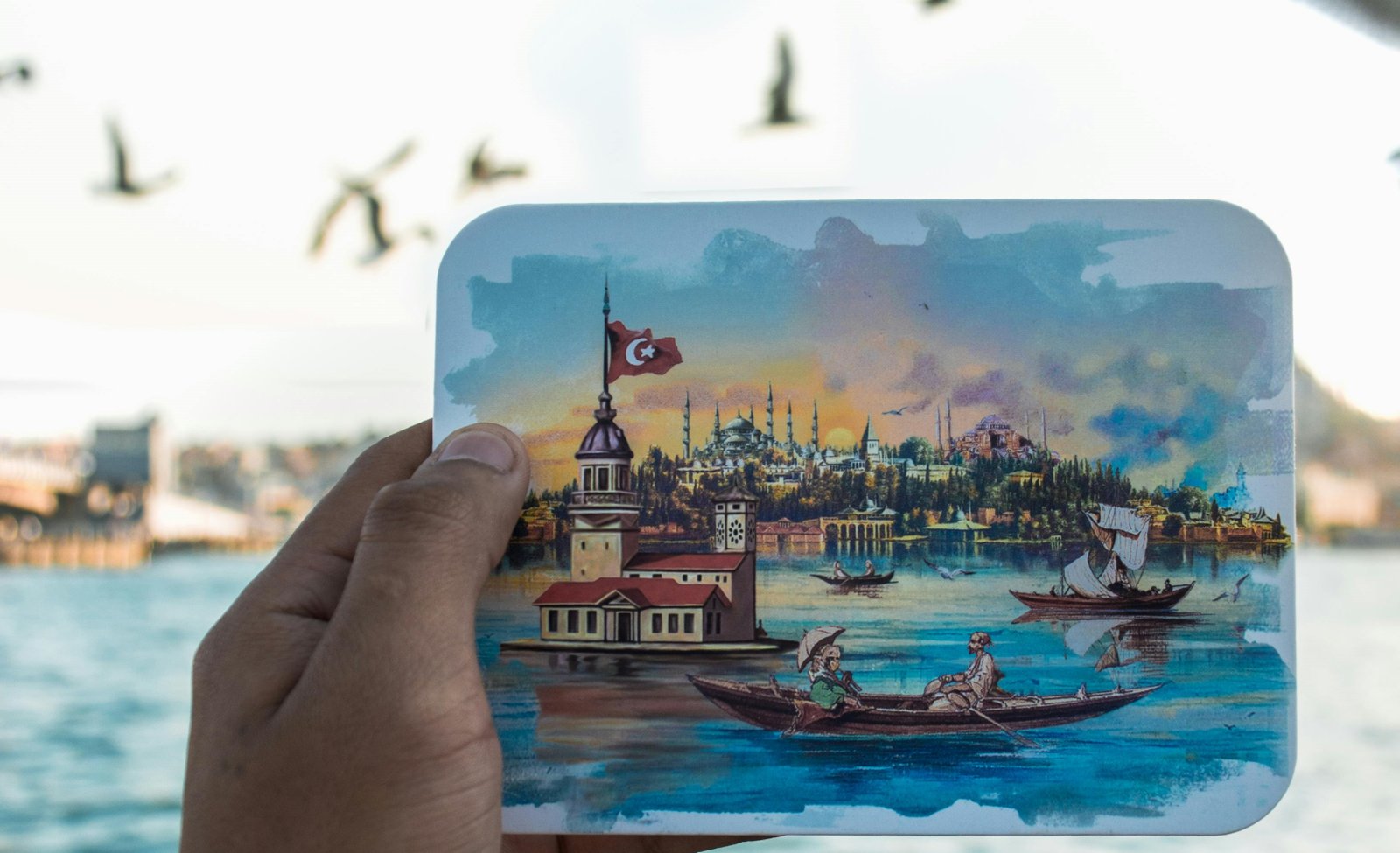
As the effects of global warming become increasingly pronounced around the world, countries like Turkey are facing both challenges and opportunities in shaping their future. Situated at the crossroads of Europe and Asia, Turkey is uniquely positioned to experience a wide range of climate change impacts, from rising temperatures and changing precipitation patterns to more frequent heatwaves and extreme weather events. In this blog post, we will explore how global warming is affecting Turkey and discuss potential strategies for mitigating its effects and building a more sustainable future. One of the most visible impacts of global warming in Turkey is the shrinking of glaciers in the country's mountainous regions. Glaciers act as natural reservoirs of freshwater, providing essential water resources for agriculture, industry, and human consumption. As these glaciers melt at an accelerated rate due to rising temperatures, Turkey is facing water scarcity challenges that could have far-reaching implications for its economy and society. To address this issue, it will be crucial for Turkey to invest in water management strategies, such as improving irrigation practices, implementing water-saving technologies, and promoting water conservation measures. In addition to water scarcity, global warming is also contributing to the increase in the frequency and intensity of extreme weather events in Turkey, such as droughts, floods, and heatwaves. These events pose significant risks to the country's infrastructure, agriculture, and public health, highlighting the need for comprehensive adaptation and resilience strategies. By investing in climate-resilient infrastructure, early warning systems, and disaster preparedness measures, Turkey can better protect its communities and minimize the impact of extreme weather events. Furthermore, global warming is expected to have profound implications for Turkey's biodiversity and ecosystems. As temperatures continue to rise, certain plant and animal species may face extinction or habitat loss, leading to disruptions in ecosystem functioning and biodiversity loss. To safeguard Turkey's rich natural heritage, conservation efforts must be scaled up, and sustainable land management practices should be promoted. By preserving critical habitats, restoring degraded ecosystems, and combating illegal wildlife trade, Turkey can protect its biodiversity and ensure the long-term health of its ecosystems. Despite the challenges posed by global warming, Turkey also has the opportunity to lead the transition to a low-carbon, sustainable future. By investing in renewable energy sources, such as solar, wind, and hydropower, Turkey can reduce its carbon footprint, create green jobs, and enhance energy security. In addition, transitioning to sustainable transportation systems, promoting energy efficiency, and adopting circular economy principles can help Turkey build a more resilient and environmentally friendly economy. In conclusion, the future of Turkey is intricately linked to the impacts of global warming, presenting both challenges and opportunities for the country. By proactively addressing the effects of climate change, implementing adaptation and mitigation measures, and prioritizing sustainability in all sectors, Turkey can navigate the challenges of global warming and build a more prosperous and resilient future for its citizens. Together, we can work towards a sustainable future for Turkey and the planet as a whole. Dropy by for a visit at the following website https://www.nacionalismo.com
Leave a Comment:
SEARCH
Recent News
- Zurich, Switzerland is a charming city known for its picturesque views, vibrant cultural scene, and high quality of life. It is a popular destination for tourists seeking a mix of urban sophistication and natural beauty. However, for travelers coming from Turkmenistan, it is essential to understand the visa requirements to ensure a smooth and hassle-free trip.
- Are you interested in traveling to Zurich, Switzerland and need information about obtaining a Turkish visa? Let me guide you through the process!
- Zurich, Switzerland - A Popular Destination for Turkish Residency
- A Guide to YouTube Content Creation and Translation for Travelers to Turkmenistan
- Creating YouTube Content and Translating for a Global Audience: Navigating the Turkish Visa Process
- Are you interested in learning about how YouTube content creation can be a great opportunity for digital nomads seeking Turkish residency? In this blog post, we'll explore the process of creating YouTube content and discuss how this can be linked to obtaining Turkish residency.
- Are you looking to establish a YouTube channel focused on travel in Turkmenistan and information about obtaining a visa for the country? Let me assist you in creating interesting and engaging content for your channel.
- Are you looking to start a YouTube channel dedicated to the topic of obtaining Turkish residency? Would you like some tips and insights on how to create engaging content around this subject? Let's dive in!
READ MORE
9 months ago Category :

Zurich, Switzerland is a charming city known for its picturesque views, vibrant cultural scene, and high quality of life. It is a popular destination for tourists seeking a mix of urban sophistication and natural beauty. However, for travelers coming from Turkmenistan, it is essential to understand the visa requirements to ensure a smooth and hassle-free trip.
Read More →9 months ago Category :

Are you interested in traveling to Zurich, Switzerland and need information about obtaining a Turkish visa? Let me guide you through the process!
Read More →9 months ago Category :

Zurich, Switzerland - A Popular Destination for Turkish Residency
Read More →9 months ago Category :
